Paint Protection Film Explained: Benefits & Lifespan
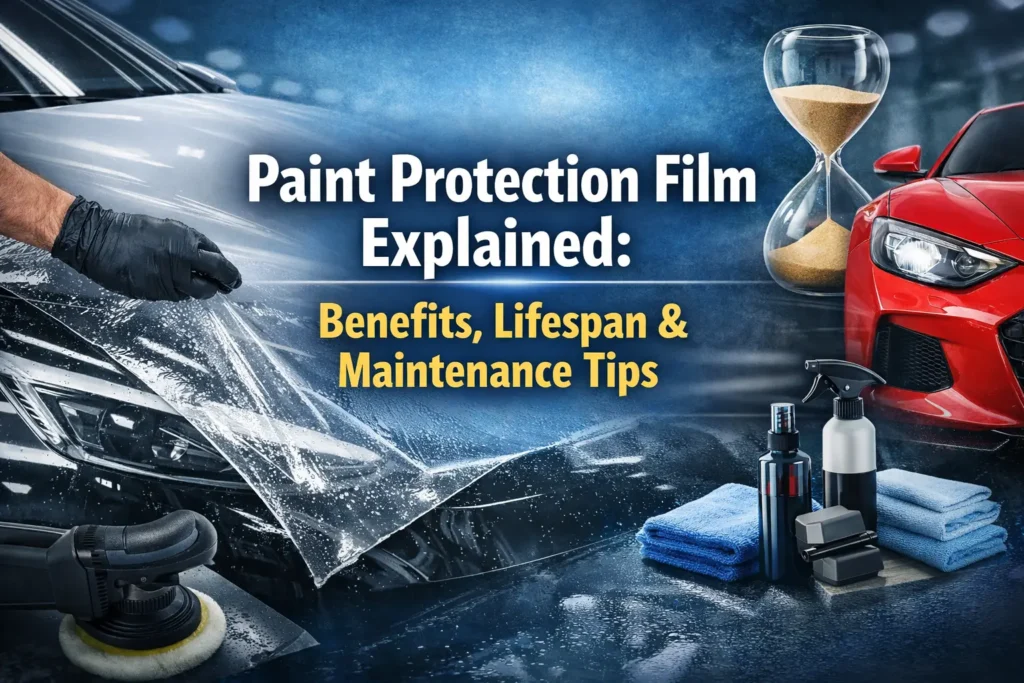
Paint Protection Film, commonly abbreviated as PPF, is a transparent, resilient layer applied to a vehicle’s exterior surfaces to safeguard its paintwork. Originally developed for military applications to protect helicopter blades from debris, PPF has evolved into a sophisticated automotive solution engineered for durability and discretion.
Modern vehicles feature intricate paint finishes that are visually striking yet surprisingly vulnerable. Environmental pollutants, road debris, UV radiation, and minor abrasions pose constant threats. Even careful drivers cannot evade these hazards indefinitely. Paint Protection Film serves as a sacrificial barrier, absorbing damage before it reaches the original paint.
As automotive aesthetics have become increasingly premium, so too has the demand for long-term paint preservation. PPF addresses this demand with a combination of advanced materials science and practical functionality, making it a cornerstone of modern vehicle care.
What Is Paint Protection Film Made Of?
At its core, Paint Protection Film is composed of thermoplastic polyurethane, often referred to as TPU. This material is prized for its elasticity, optical clarity, and resistance to impact. Unlike vinyl wraps or conventional coatings, TPU offers both flexibility and strength without compromising transparency.
One of the most compelling innovations in modern PPF is self-healing technology. Micro-scratches caused by swirl marks or light abrasions can disappear when exposed to heat, whether from sunlight or warm water. This occurs due to elastomeric polymers within the film that reflow to their original configuration.
Several types of PPF are available today. Gloss films enhance shine and depth, matte films create a satin finish, and hydrophobic films repel water and contaminants. Each variant caters to different aesthetic preferences and functional requirements, allowing vehicle owners to tailor protection to their needs.
Key Benefits of Paint Protection Film
The primary advantage of Paint Protection Film is its ability to protect against physical damage. Stone chips, road grit, insect splatter, and minor scrapes are absorbed by the film rather than the paint beneath. This significantly reduces the likelihood of costly repainting.
UV resistance is another crucial benefit. Prolonged sun exposure can cause oxidation and fading, especially in darker paint colors. PPF acts as a UV shield, preserving color vibrancy and surface integrity over time.
From a financial perspective, PPF helps maintain a vehicle’s resale value. Prospective buyers often scrutinize paint condition. A well-protected exterior conveys meticulous ownership and minimizes depreciation.
Aesthetic enhancement is an often-overlooked advantage. High-quality films amplify gloss and create a smooth, uniform surface. The vehicle retains its showroom appearance for years, even under daily use.
Paint Protection Film vs Other Car Protection Methods
Paint Protection Film is frequently compared with ceramic coating, yet the two serve distinct purposes. Ceramic coatings provide chemical resistance and hydrophobic properties but lack impact protection. PPF, on the other hand, excels at physical defense.
Traditional wax and sealants offer minimal, short-lived protection. They enhance shine temporarily but degrade quickly under environmental stress. PPF delivers a far more robust and enduring solution.
In many cases, combining PPF with ceramic coating yields optimal results. PPF protects against physical damage, while ceramic coating enhances ease of cleaning and chemical resistance. This layered approach offers comprehensive protection for discerning vehicle owners.
Lifespan of Paint Protection Film
A premium Paint Protection Film typically lasts between five to ten years. This lifespan depends heavily on material quality, installation precision, and maintenance practices. Inferior films may degrade prematurely, losing clarity or adhesion.
Environmental factors also play a significant role. Vehicles exposed to intense sunlight, pollution, or abrasive driving conditions experience faster wear. Frequent highway driving increases exposure to stone impacts, while urban environments introduce chemical contaminants.
Signs that replacement is needed include yellowing, cracking, edge lifting, or diminished self-healing performance. Timely replacement ensures continued protection and prevents damage to the underlying paint.
Installation Process Explained
Professional installation is strongly recommended for Paint Protection Film. The process involves meticulous surface preparation, precise cutting, and expert application using slip solutions and squeegees. Improper installation can lead to trapped air, visible seams, or reduced longevity.
Commonly protected areas include the front bumper, hood, fenders, side mirrors, door edges, and rocker panels. Full-body coverage is also available for maximum protection.
DIY kits may appear cost-effective but often lack the precision and durability of professional installations. Mistakes such as overstretching the film or misaligning edges can compromise both appearance and performance.
Maintenance Tips for Paint Protection Film
Proper maintenance extends the life and appearance of Paint Protection Film. Regular washing using pH-neutral shampoos is essential. Aggressive chemicals or abrasive brushes should be avoided.
Automatic car washes with stiff bristles can damage the film. Hand washing or touchless systems are preferable. Drying with microfiber towels prevents swirl marks and maintains clarity.
Periodic inspections help identify early signs of wear. Applying a PPF-safe sealant can enhance hydrophobic properties and ease cleaning. Seasonal care, particularly before extreme weather conditions, ensures consistent performance.
Common Myths and Misconceptions About PPF
One persistent myth is that PPF causes paint damage upon removal. In reality, professionally installed film protects paint and can be removed safely without residue, provided the underlying paint is factory original.
Concerns about yellowing stem from early-generation films. Modern PPF features advanced UV inhibitors that prevent discoloration. Quality materials maintain transparency throughout their lifespan.
The cost of PPF is often viewed as excessive. However, when compared to repainting expenses and depreciation losses, the investment proves economically sound over the long term.
Is Paint Protection Film Worth the Investment?
Paint Protection Film is particularly valuable for new vehicles, luxury cars, and performance models with premium paint finishes. Owners who prioritize aesthetics and long-term value benefit most from this solution.
Urban drivers face risks from tight parking spaces and environmental pollutants, while highway drivers contend with debris impacts. PPF addresses both scenarios effectively.
From a cost-benefit standpoint, Paint Protection Film delivers substantial returns in preservation, appearance, and peace of mind. It transforms paint protection from a reactive measure into a proactive strategy, ensuring that a vehicle remains visually impeccable and structurally protected for years to come.
Conclusion
Paint Protection Film stands as one of the most advanced and reliable solutions for automotive paint preservation. Its combination of durability, self-healing capability, and aesthetic enhancement makes it a superior choice for modern vehicle owners. When installed and maintained correctly, PPF offers long-lasting protection that justifies its investment many times over.